Heavy Equipment Insurance Coverage The Complete Guide to Protect Expensive Machinery

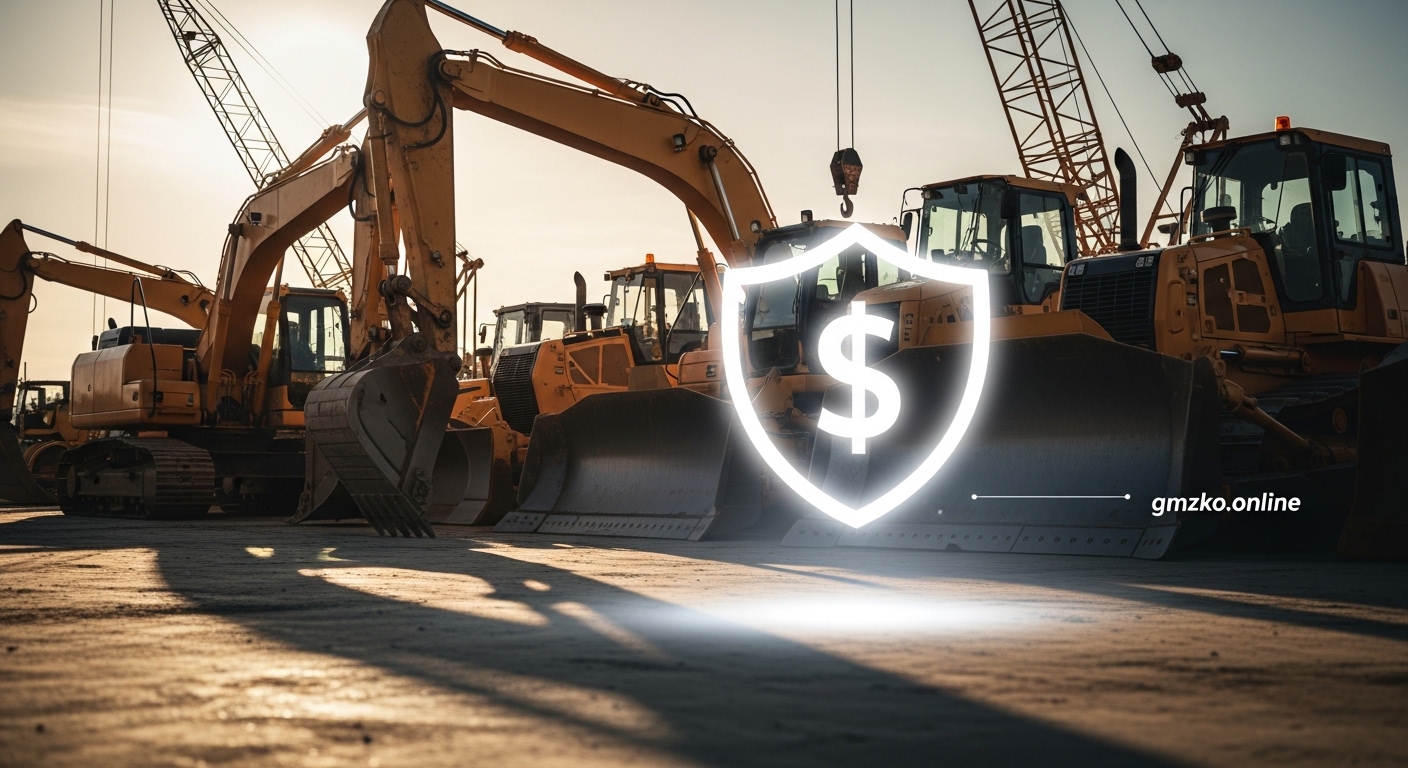
Heavy machinery is one of the most valuable investments for construction companies, contractors, and industrial businesses. Whether you operate excavators, bulldozers, cranes, or loaders, a single accident, theft, or breakdown can result in massive financial losses. That is where heavy equipment insurance coverage becomes essential.
This guide explains what heavy equipment insurance covers, why it matters, how much it costs, and how to choose the best policy. You will also discover high-value coverage options that help reduce downtime, protect assets, and improve long-term profitability.
What Is Heavy Equipment Insurance Coverage
Heavy equipment insurance coverage is a specialized policy designed to protect construction and industrial machinery from financial losses caused by damage, theft, accidents, or liability claims. It applies to both owned and rented equipment used in construction, mining, agriculture, and industrial operations.
This type of coverage is often included under:
- Contractor equipment insurance
- Inland marine insurance
- Construction equipment insurance
- Equipment breakdown insurance
- Commercial equipment insurance
Businesses that rely on expensive machinery often combine multiple policies to create full protection.
Why Heavy Equipment Insurance Is Important
Without proper insurance coverage, a single incident can halt operations and create unexpected expenses. Heavy equipment is costly to repair or replace, and downtime can quickly affect revenue.
Key reasons to invest in heavy equipment insurance coverage:
- Protect high-value machinery from financial loss
- Reduce downtime after accidents or breakdowns
- Cover theft and vandalism at job sites
- Meet contract and project requirements
- Protect against liability claims
- Safeguard rented or leased equipment
- Improve business credibility with clients
Many project owners require proof of equipment insurance before awarding contracts, making coverage not only protective but also strategic.
What Heavy Equipment Insurance Typically Covers
Coverage varies depending on the policy, but most heavy equipment insurance includes protection for common risks.
Physical Damage Coverage
This protects machinery from:
- Accidental damage
- Fire and explosions
- Storms and natural disasters
- Equipment overturn
- Collision during transport
- Job site accidents
This is the core component of construction equipment insurance.
Theft and Vandalism Protection
Construction sites are common targets for theft. Insurance helps cover:
- Stolen machinery
- Damaged equipment from break-ins
- Missing attachments or parts
- Vandalism repairs
This coverage is especially important for remote job sites.
Equipment Breakdown Coverage
Mechanical and electrical failures can shut down operations. Equipment breakdown insurance may cover:
- Engine failure
- Hydraulic system damage
- Electrical faults
- Internal component failure
- Sudden mechanical breakdown
This helps businesses reduce downtime and repair costs.
Transportation Coverage
Heavy equipment often moves between job sites. Transportation coverage protects machinery during:
- Truck transport
- Loading and unloading
- Trailer accidents
- Transit damage
This is commonly included in inland marine policies.
Liability Coverage for Equipment Operations
Some policies include liability protection if equipment causes:
- Property damage
- Third-party injuries
- Job site accidents
- Structural damage
This is important for contractors operating cranes, excavators, and loaders.
Types of Heavy Equipment Covered
Most insurance providers cover a wide range of machinery, including:
- Excavators
- Bulldozers
- Cranes
- Backhoes
- Skid steers
- Wheel loaders
- Forklifts
- Graders
- Compactors
- Trenchers
- Pavers
- Drilling equipment
Attachments such as buckets, hammers, and grapples can also be included.
Owned vs Rented Heavy Equipment Coverage
Businesses often use both owned and rented machinery, and each requires different protection.
Owned Equipment Coverage
This covers machinery that your company owns. Protection typically includes:
- Replacement cost coverage
- Actual cash value coverage
- Damage and theft protection
- Equipment breakdown coverage
Replacement cost policies usually offer stronger protection.
Rented Equipment Coverage
If you rent equipment, you may still be responsible for damage. Rental equipment insurance covers:
- Damage during use
- Theft while in your possession
- Operator error
- Transport damage
Many rental agreements require proof of coverage before releasing equipment.
How Much Heavy Equipment Insurance Costs
The cost of heavy equipment insurance coverage depends on several factors.
Main pricing factors include:
- Equipment value
- Type of machinery
- Usage frequency
- Job site risk level
- Location
- Claims history
- Coverage limits
- Deductible amount
Typical annual cost ranges:
- Small contractors: $500 to $2,000 per year
- Mid-size fleets: $2,000 to $10,000 per year
- Large construction companies: $10,000+ per year
Higher deductibles usually reduce premiums but increase out-of-pocket costs.
High-Value Coverage Options to Consider
To strengthen protection, many businesses add optional coverage.
Replacement Cost Coverage
Pays the full cost to replace equipment with new machinery instead of depreciated value.
Rental Reimbursement Coverage
Covers the cost of renting replacement equipment while yours is being repaired.
Downtime Coverage
Provides financial compensation for lost income due to equipment failure.
Worldwide Coverage
Protects machinery used across multiple regions or countries.
Blanket Coverage
Insures multiple machines under one policy instead of listing each individually.
How to Choose the Best Heavy Equipment Insurance Coverage
Selecting the right policy requires evaluating operational risks and business needs.
Follow these steps:
1. Calculate Total Equipment Value
List all machinery and attachments with replacement costs.
2. Identify Risk Exposure
Consider theft risk, job site hazards, and transport frequency.
3. Choose Replacement vs Actual Cash Value
Replacement cost provides stronger protection but costs more.
4. Compare Coverage Limits
Make sure limits match equipment value.
5. Review Deductibles
Balance premium savings with manageable out-of-pocket costs.
6. Add Downtime Protection
This helps maintain cash flow during repairs.
Who Needs Heavy Equipment Insurance Coverage
This type of insurance is essential for:
- Construction companies
- Equipment contractors
- Excavation businesses
- Roadwork contractors
- Industrial companies
- Mining operators
- Landscaping companies
- Utility contractors
- Agricultural businesses
- Equipment rental companies
If your operations depend on machinery, insurance is critical.
Common Mistakes to Avoid
Many businesses make costly errors when buying equipment insurance.
Avoid these mistakes:
- Underinsuring equipment value
- Ignoring theft coverage
- Not covering attachments
- Choosing high deductibles without planning
- Skipping transport coverage
- Not updating policy after new purchases
- Forgetting rented equipment coverage
Proper planning ensures full protection.
Tips to Reduce Heavy Equipment Insurance Premiums
You can lower costs without sacrificing coverage.
- Install GPS tracking devices
- Store equipment in secured yards
- Train operators properly
- Maintain equipment regularly
- Bundle policies together
- Increase deductible carefully
- Keep a clean claims history
Insurance companies reward lower risk operations.